

Driving safety with our range of passive fire solutions, delivering compliance peace of mind.
At Castleman Fire, we specialise in professional fire door inspections to ensure your building remains compliant, safe, and fully protected in the event of a fire.
Fire doors are a critical part of passive fire protection. When properly installed and maintained, they slow the spread of fire and smoke, saving lives and minimising damage. However, even small faults can cause a fire door to fail when it matters most.
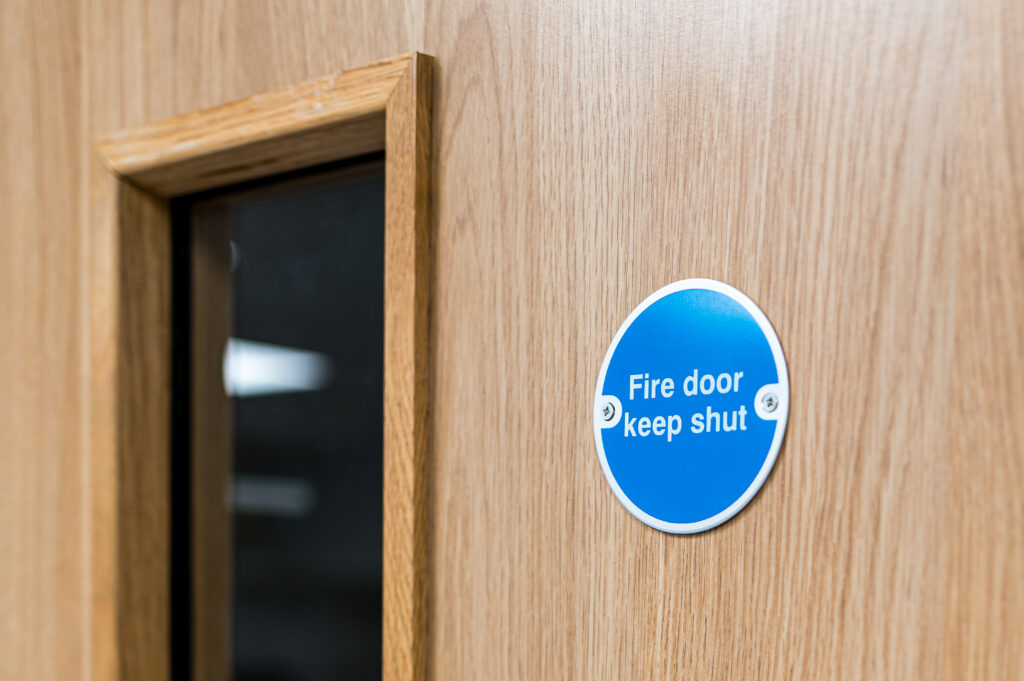
Fire doors must be regularly inspected to ensure they are being effectively maintained. We carefully check for common issues like damaged seals, incorrect gaps, and poor frame fittings. Our thorough inspection helps identify any risks that might compromise safety during a fire.
If you’ve had an inspection which has identified recommendations, we provide remediation services to assist you in effectively maintaining your fire doors. This could include repairing seals, adjusting gaps, or replacing damaged components, our qualified engineers will deliver remediation and detailed reports to maintain the golden thread of fire safety.
We provide professional and certified installation of fire doors. Our installation process ensures the door is correctly fitted to meet the latest standards, in line with the manufacturers guidance, and functions effectively as part of the building’s passive fire protection system.
SFG20 guidance aligns with UK fire safety legislation and best practice, requiring fire doors to be regularly inspected to ensure they remain effective in preventing the spread of fire and smoke. A structured checklist approach ensures consistency, compliance, and traceability across all inspections.
Is the fire door certified, notional or nominal with the appropriate fire rating.
Is the frame securely fixed and the leaf free from holes, damage or warping.
Are the leaf to frame gaps and threshold gaps within tolerance.
Are the seals the correct type required, continuous and free from damage or excessive paint.
Are there a minimum of three hinges, correctly rated for the weight of the door and securely fitted with no missing screws.
Is the door closer free from oil leaks and allows the door to fully latch from any angle. If also present, are hold open devices activating correctly.
Is the glass secure, free from damage and with etched markings confirming its fire rating.
Is the correct signage present on both sides of the door.
Compliance sets the minimum, we deliver fire safety solutions that go beyond it in quality, performance, and reliability
Excellence is embedded in everything we do, from the accuracy of our installations to the consistency of our maintenance. We focus on delivering fire doors that perform when it matters most, protecting people and property without compromise.
Castleman Fire carries out comprehensive fire compartmentation surveys to identify any penetrations or areas of non-compliance. Following inspection, we deliver expert fire stopping solutions to reinstate compartmentation, ensuring your building remains compliant and, most importantly, safe for its occupants and assets.
Fire compartmentation is a fundamental element of passive fire protection, designed to contain the spread of fire and smoke by dividing a building into fire-resistant sections using walls, floors, and ceilings. Over time, however, service penetrations, inadequately sealed openings, and damaged fire-stopping measures can compromise the integrity of these barriers.
Common defects include:
Service penetrations: Gaps around pipes, ducts, and cables can compromise fire barriers.
Damaged fire stopping: Wear and tear can lead to breaches in fire-resistant barriers.
Improperly sealed openings: Gaps in walls or floors can allow smoke and fire to spread.
Compartmentation is necessary in:
Stairwells and hallways for safe evacuation.
Service risers and lift shafts that house critical building systems.
Floors and building sections to prevent fire from spreading across multiple levels.
High-risk areas like kitchens or electrical rooms.
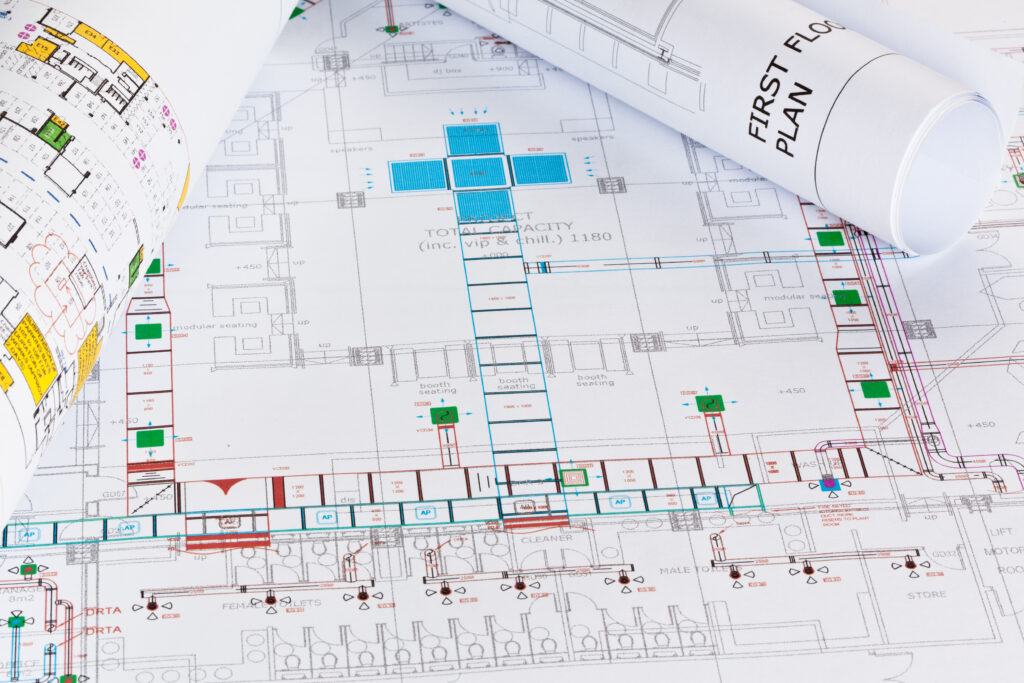
At Castleman Fire, we specialise in professional fire door inspections to ensure your building remains compliant, safe, and fully protected in the event of a fire.
Fire doors are a critical part of passive fire protection. When properly installed and maintained, they slow the spread of fire and smoke, saving lives and minimising damage. However, even small faults can cause a fire door to fail when it matters most.
Fire doors must be regularly inspected to ensure they are being effectively maintained. We carefully check for common issues like damaged seals, incorrect gaps, and poor frame fittings. Our thorough inspection helps identify any risks that might compromise safety during a fire.
If you’ve had an inspection which has identified recommendations, we provide remediation services to assist you in effectively maintaining your fire doors. This could include repairing seals, adjusting gaps, or replacing damaged components, our qualified engineers will deliver remediation and detailed reports to maintain the golden thread of fire safety.
We provide professional and certified installation of fire doors. Our installation process ensures the door is correctly fitted to meet the latest standards, in line with the manufacturers guidance, and functions effectively as part of the building’s passive fire protection system.
Identification – Is the fire door certified, notional or nominal with the appropriate fire rating
Leaf and frame condition – Is the frame securely fixed and the leaf free from holes, damage or warping
Gaps and Alignment – Are the leaf to frame gaps and threshold gaps within tolerance.
Intumescent Seals – Are the seals the correct type required, continuous and free from damage or excessive paint.
Hinges and Ironmongery – Are there a minimum of three hinges, correctly rated for the weight of the door and securely fitted with no missing screws
Self-Closing Device – Is the door closer free from oil leaks and allows the door to fully latch from any angle. If also present, are hold open devices activating correctly.
Glazing and Vision Panels – Is the glass secure, free from damage and with etched markings confirming its fire rating.
Signage – Is the correct signage present on both sides of the door
✓ Identification – Is the fire door certified, notional or nominal with the appropriate fire rating
✓ Leaf and frame condition – Is the frame securely fixed and the leaf free from holes, damage or warping
✓ Gaps and Alignment – Are the leaf to frame gaps and threshold gaps within tolerance.
✓ Intumescent Seals – Are the seals the correct type required, continuous and free from damage or excessive paint.
✓ Hinges and Ironmongery – Are there a minimum of three hinges, correctly rated for the weight of the door and securely fitted with no missing screws
✓ Self-Closing Device – Is the door closer free from oil leaks and allows the door to fully latch from any angle. If also present, are hold open devices activating correctly.
✓ Glazing and Vision Panels – Is the glass secure, free from damage and with etched markings confirming its fire rating.
✓ Signage – Is the correct signage present on both sides of the door
Castleman Fire carries out comprehensive fire compartmentation surveys to identify any penetrations or areas of non-compliance. Following inspection, we deliver expert fire stopping solutions to reinstate compartmentation, ensuring your building remains compliant and, most importantly, safe for its occupants and assets.
Fire compartmentation is a fundamental element of passive fire protection, designed to contain the spread of fire and smoke by dividing a building into fire-resistant sections using walls, floors, and ceilings. Over time, however, service penetrations, inadequately sealed openings, and damaged fire-stopping measures can compromise the integrity of these barriers.
Common defects include:
Service penetrations: Gaps around pipes, ducts, and cables can compromise fire barriers.
Damaged fire stopping: Wear and tear can lead to breaches in fire-resistant barriers.
Improperly sealed openings: Gaps in walls or floors can allow smoke and fire to spread.
Effective fire compartmentation:
Prevents fire and smoke spread, protecting both people and property.
Helps emergency services by creating safe zones for firefighting.
Protects escape routes, ensuring safe passage for building occupants.
Compartmentation is necessary in:
Stairwells and hallways for safe evacuation.
Service risers and lift shafts that house critical building systems.
Floors and building sections to prevent fire from spreading across multiple levels.
High-risk areas like kitchens or electrical rooms.
Castleman Fire carries out comprehensive fire compartmentation surveys to identify any penetrations or areas of non-compliance. Following inspection, we deliver expert fire stopping solutions to reinstate compartmentation, ensuring your building remains compliant and, most importantly, safe for its occupants and assets.
Fire compartmentation is a fundamental element of passive fire protection, designed to contain the spread of fire and smoke by dividing a building into fire-resistant sections using walls, floors, and ceilings. Over time, however, service penetrations, inadequately sealed openings, and damaged fire-stopping measures can compromise the integrity of these barriers.
Common defects include:
Service penetrations: Gaps around pipes, ducts, and cables can compromise fire barriers.
Damaged fire stopping: Wear and tear can lead to breaches in fire-resistant barriers.
Improperly sealed openings: Gaps in walls or floors can allow smoke and fire to spread.
Effective fire compartmentation:
Prevents fire and smoke spread, protecting both people and property.
Helps emergency services by creating safe zones for firefighting.
Protects escape routes, ensuring safe passage for building occupants.
Compartmentation is necessary in:
Stairwells and hallways for safe evacuation.
Service risers and lift shafts that house critical building systems.
Floors and building sections to prevent fire from spreading across multiple levels.
High-risk areas like kitchens or electrical rooms.
At Castleman Fire, we deliver thorough and compliant fire risk assessments tailored to your premises. In line with the Regulatory Reform (Fire Safety) Order 2005, our assessments help you meet your legal obligations while providing clear, practical recommendations to improve overall fire safety.
A fire risk assessment is a vital process for identifying potential hazards and evaluating the effectiveness of existing fire safety measures within a building. It ensures that appropriate actions are taken to minimise risk, enhance safety, and protect both occupants and property.
We identify potential fire hazards in the building, such as faulty equipment, combustible materials, or inadequate fire safety measures.
We evaluate the severity of these hazards, considering how likely they are to cause a fire and their potential impact.
We document our findings and provide a detailed report, highlighting the risks and areas needing improvement.
Our team creates an actionable plan to reduce identified risks, improve safety systems, and ensure compliance with fire safety regulations.
Fire risk assessments should be regularly reviewed to ensure that safety measures remain up to date and effective.
At Castleman Fire, we deliver thorough and compliant fire risk assessments tailored to your premises. In line with the Regulatory Reform (Fire Safety) Order 2005, our assessments help you meet your legal obligations while providing clear, practical recommendations to improve overall fire safety.
A fire risk assessment is a vital process for identifying potential hazards and evaluating the effectiveness of existing fire safety measures within a building. It ensures that appropriate actions are taken to minimise risk, enhance safety, and protect both occupants and property.
We identify potential fire hazards in the building, such as faulty equipment, combustible materials, or inadequate fire safety measures.
We evaluate the severity of these hazards, considering how likely they are to cause a fire and their potential impact.
We document our findings and provide a detailed report, highlighting the risks and areas needing improvement.
Our team creates an actionable plan to reduce identified risks, improve safety systems, and ensure compliance with fire safety regulations.
Fire risk assessments should be regularly reviewed to ensure that safety measures remain up to date and effective.
A fire risk assessment is a systematic evaluation of a building to identify potential fire hazards and assess the effectiveness of existing fire safety measures. The assessment is designed to ensure that appropriate steps are taken to reduce fire risks and protect building occupants.
Under the Regulatory Reform (Fire Safety) Order 2005, responsible persons are legally required to carry out and regularly review fire risk assessments for non-domestic premises and communal areas of residential buildings.
Castleman Fire provides professional fire risk assessments that evaluate fire hazards, fire detection systems, escape routes, emergency lighting, fire safety management procedures and existing fire protection measures.
Following the assessment, clients receive a clear and detailed report outlining any identified risks along with practical recommendations for improvement. These assessments help organisations understand their fire safety responsibilities and implement measures that support compliance and safer buildings.
By identifying risks and prioritising actions, fire risk assessments form a key part of a proactive approach to fire safety management.
Speak with our specialists today to assess your building, ensure compliance, and implement effective passive fire protection, tailored to your needs.